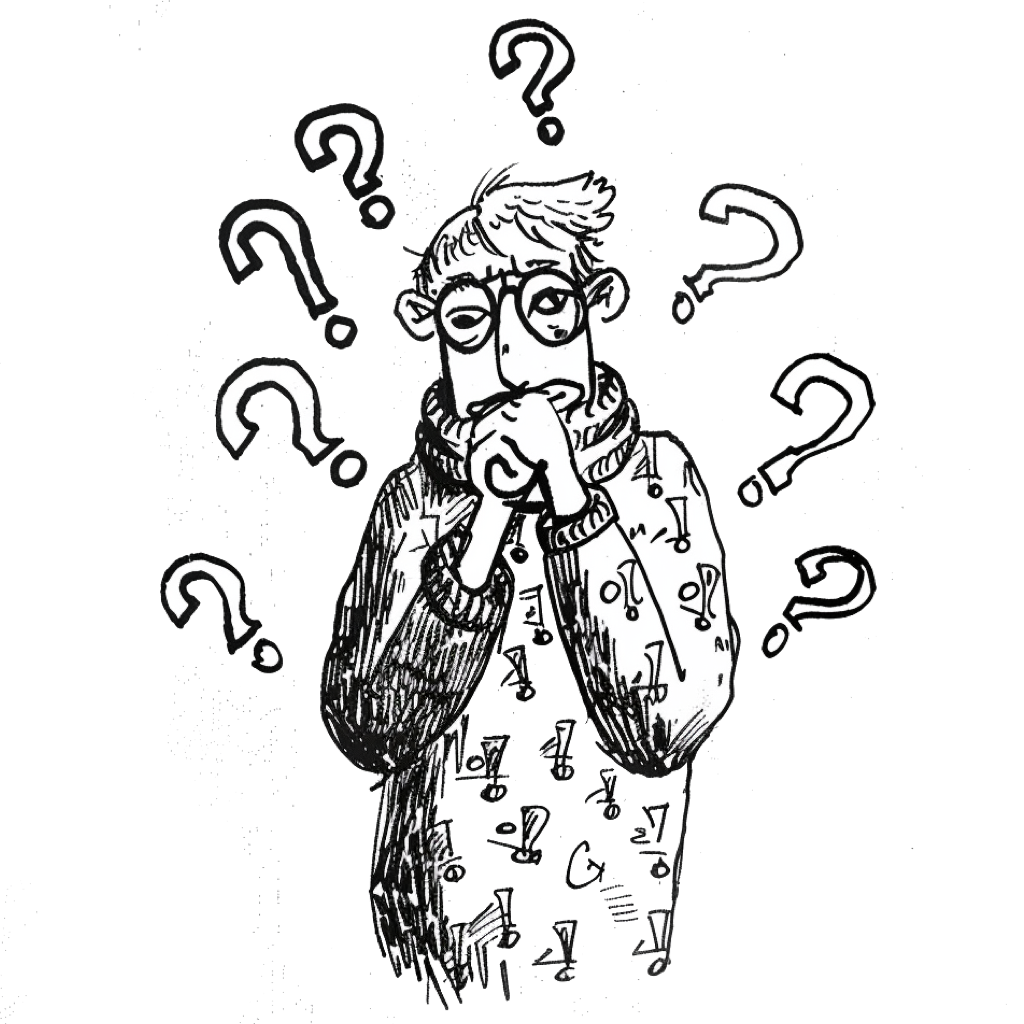
This week's Assembly asked
"Do you ever feel like an imposter?"
We've gathered the key points and notes from the session, so you can refer back for future reference, or if you weren't able to join, learn from your fellow freelancers.
Nobody in the room was immune
People with fifteen years under their belt. People in their first week. Everyone had a version of the same feeling. The lurch before a big project. The proposal they'd quietly stepped back from. The interview where they'd said yes to something and googled it afterwards. It's worth saying out loud: this doesn't go away when you get more experienced. It changes shape, but it doesn't disappear.
It's not a crisis, it's just being human
There's a tendency to treat imposter syndrome as a problem to fix. Most of the group had found that wasn't quite right. One person pointed out that if you're detail-oriented and care about the quality of your work, of course you're going to feel the weight of it before you start. The people who don't feel any of this probably aren't paying close enough attention.
Confidence comes from doing the work, not from feeling ready
Nobody in the room felt they'd crossed a threshold and arrived somewhere settled. What confidence actually looked like, for most people, was accumulated experience you stop noticing you have. The problems you've worked through. The clients who came back. One person had started being more open with clients about uncertainty and found it landed better than projecting certainty. Honesty about not knowing something reads as confidence more often than the alternative.
Asking questions is the job
A couple of people in the room had learned to front-load their projects with proper time just getting the full picture. Sitting with the client, downloading everything, working out what the real question actually is before trying to answer it. Not as a process step. As the work itself. The sharpest people in any room aren't usually the ones with the most to say.
The kickoff conversation is where a lot goes wrong
When assumptions aren't surfaced early, they surface later, and it costs more. One person this week walked away from eight weeks of work because the client wouldn't allow any discovery. No stakeholder conversations, no documents, just a brief. The decision wasn't arrogance. It was knowing that without understanding what's actually in the cupboard, you can't do a good job.
Being the expert is a role with real pressure attached
Employees get room to learn. Freelancers are brought in to deliver. That's the deal, and most of the time it's fine. But it does raise a genuine question about where the space exists to say I'm not sure or can we work through this together. If that space doesn't exist, and you're always expected to have the answers before you walk in, that accumulates. The group didn't resolve this one. But it felt worth naming.
Focus helps, especially right now
The broader the positioning, the more often you're at the edge of your knowledge. Several people in the room were sitting with this tension, particularly the generalists. The more defined your territory, the more often you're on ground you know well. That's not just commercially useful. It's quieter in your head.
Curiosity is part of the expertise, not a sign you lack it
The people in the room who came across as most confident weren't the ones who had everything worked out. They were the ones who were still genuinely interested in the problem. Still reading, still asking, still willing to say I wonder if there's a better way to frame this. Staying curious doesn't undermine authority. It's usually what produces it.
Thanks for coming along!